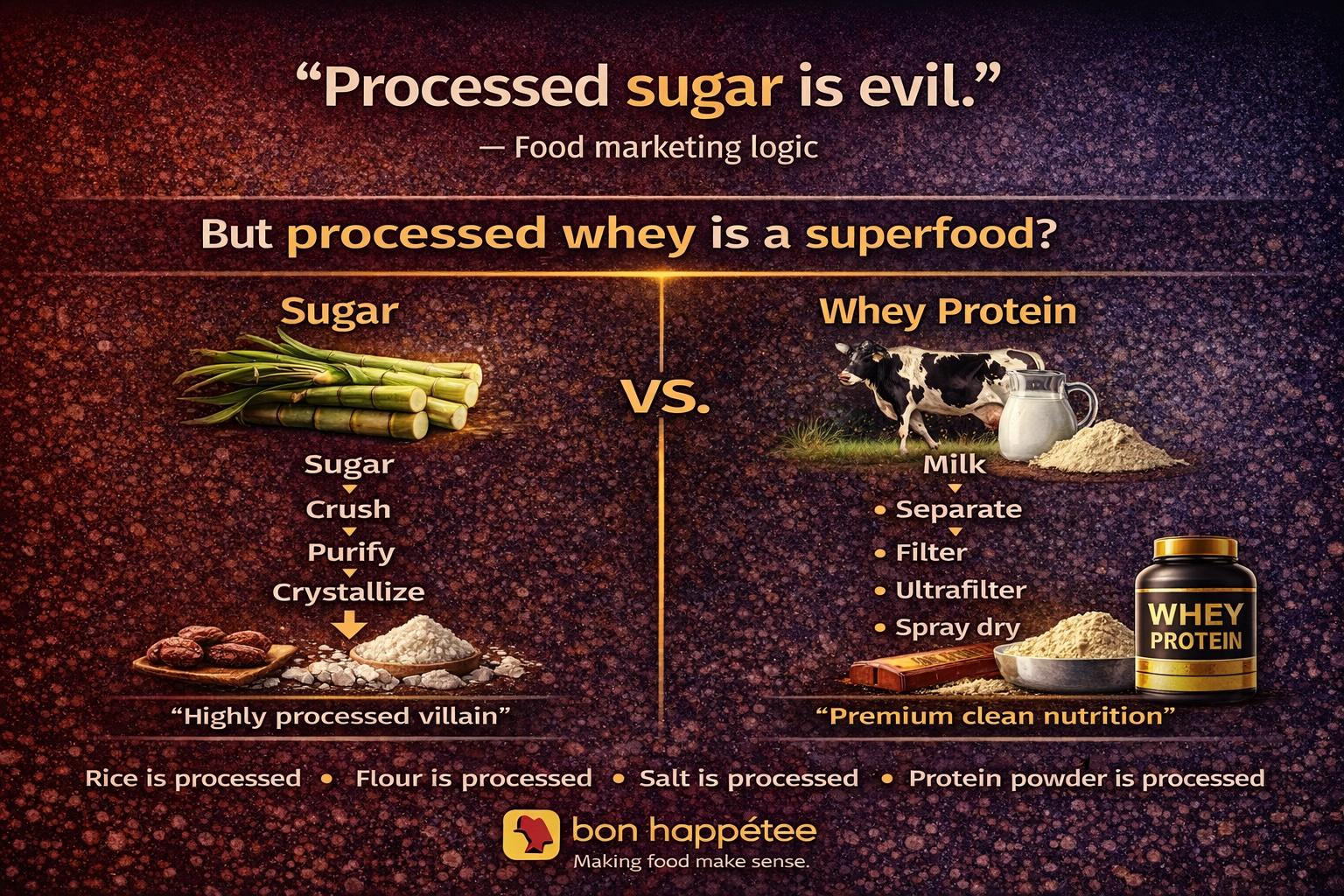
Dates’ journey from a sugar substitute → a superfood → a clever way to hike the MRP of “healthy alternatives.”
Life was simpler when sugar was just… sugar.
White, jaggery, honey — pick your poison, enjoy your chai.
Then came diabetes → science stepped in with artificial sweeteners. Zero calories, no blood sugar spike. Logical, right?
Then came the anti-science brigade → “artificial is evil” → so we made room for “natural” zero-calorie substitutes like stevia and monk fruit. Fair enough.
But now… 🥁 drumroll … dates.
Apparently, dates are the new-age healthy sugar substitute. Not because they are superior. Not because they are good for diabetics. Just because they look fancy on a label.
Translation: “Sweetened with dates” = 5x MRP.
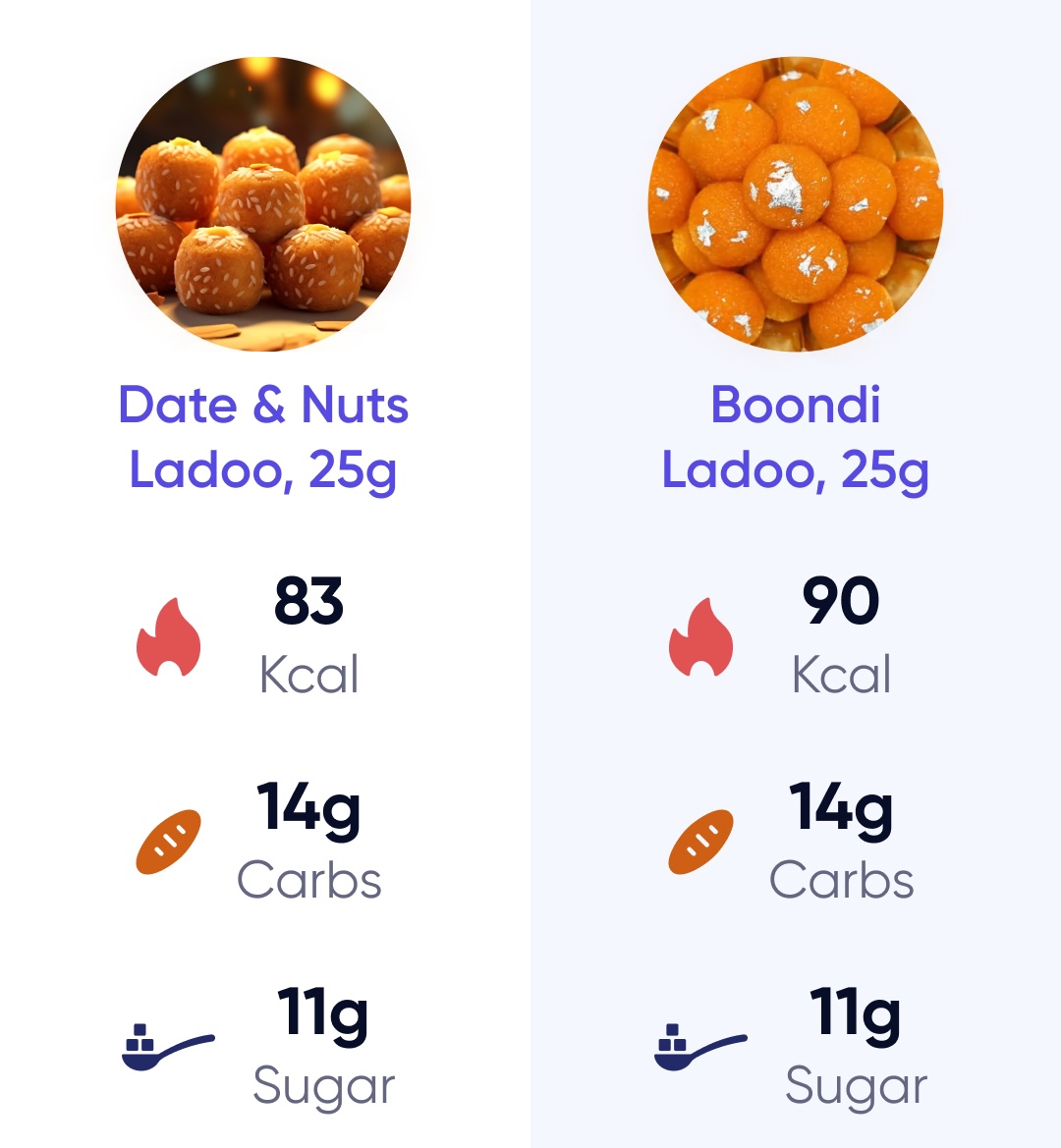
The Reality Check (with Data)
Here’s what the nutrition data actually shows:
- Dates = sugar. They contain glucose, fructose, and sucrose in significant amounts.
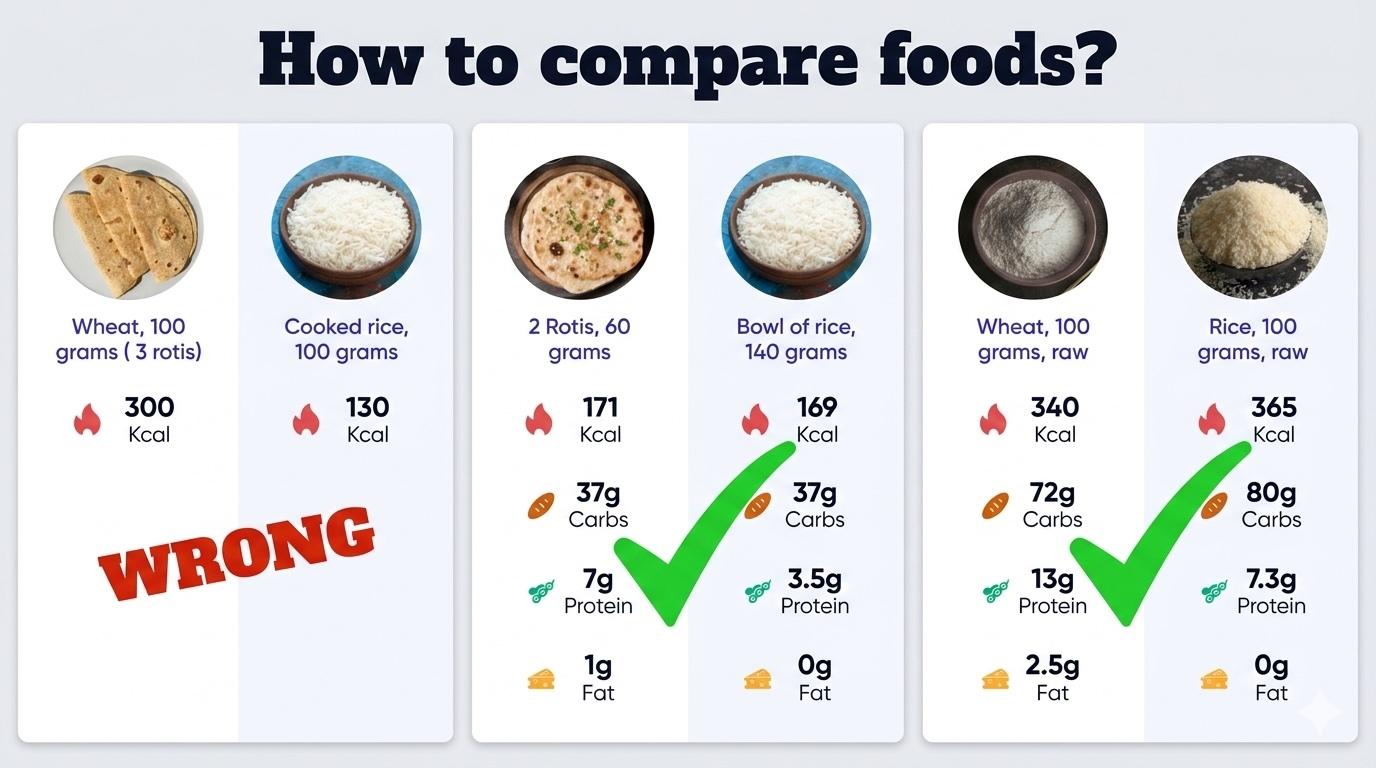
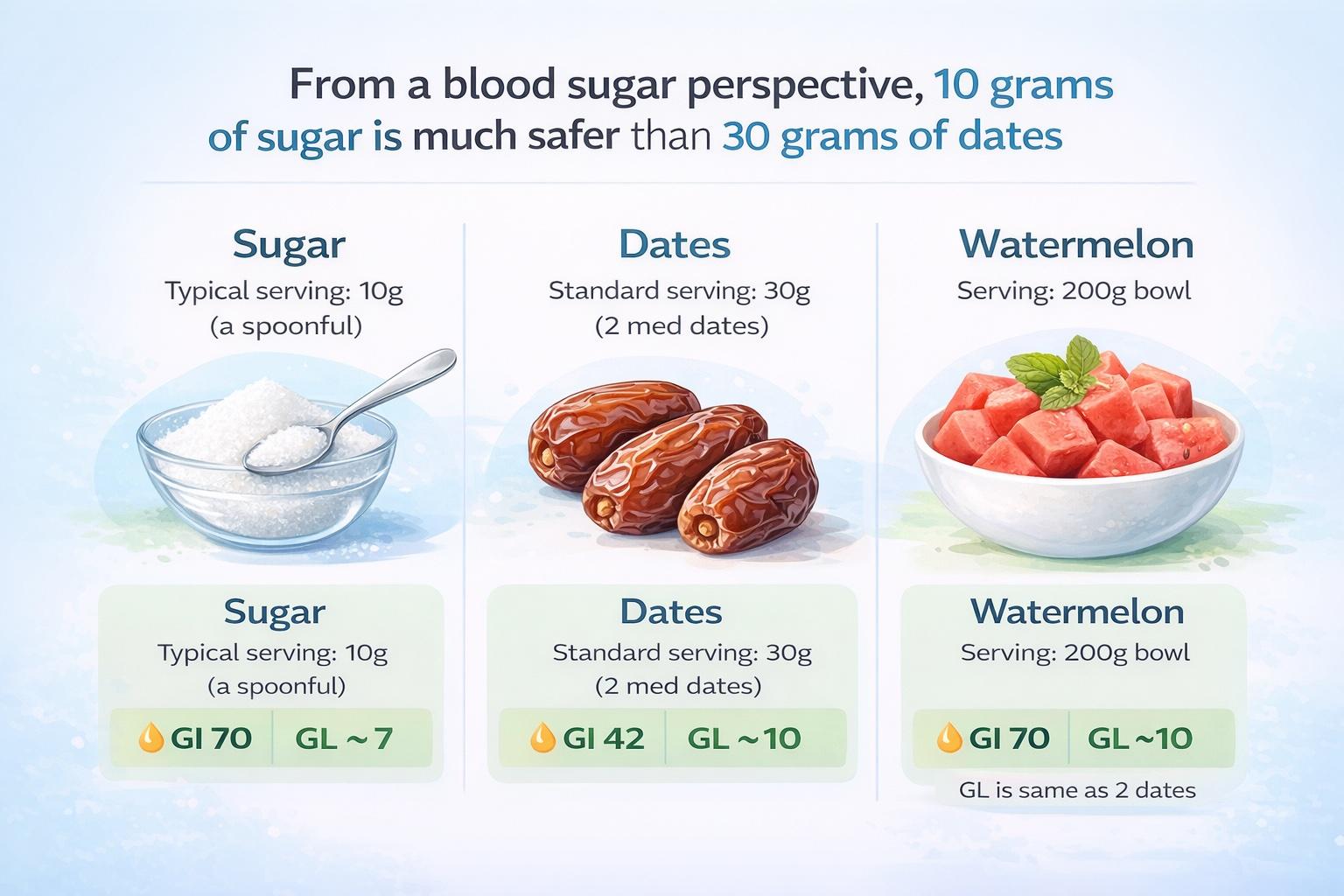
- Slightly lower GI (Glycemic Index): True, but you need to eat more to get the same sweetness → which means the glycemic load ends up nearly the same as regular sugar.
- Net effect: Even worse than sugar sometimes, because you end up eating more frequently under the illusion that it’s “healthy.”
In short: If you’re diabetic, dates are not your friend. If you’re not, dates are still… dates. A fruit. Not a miracle food.
The Right Way to Look at Sugar & Substitutes
- Eat sugar when the recipe calls for sugar.
- Eat jaggery when the recipe calls for jaggery.
- Eat dates when the recipe calls for dates.
That’s it. Don’t pretend it’s a health food. Don’t let marketing fool you.
Final Word
Sugar is sugar. Dates are dates.
Use them for taste, not as a marketing gimmick.
And above all → eat in moderation.